







Search Results for: precise targeting

A Complete Guide to Tetsu Kasuya's One-Pour Brewing Method: A Minimalist Pour-Over Approach Rooted in the High-Concentration, Low-Extraction Philosophy
World champion Tetsu Kasuya proposed a brewing method called "one-pour" in 2019, advocating pouring all the target water at once, skipping the blooming step and making pour-over extremely simple. However, it is often mistaken for the single-pour method, when in fact the two are clearly different. This article will comprehensively break down the characteristics of one-pour brewing from its principles, parameters, and operation process to actual measurement comparisons, and use Panama Boquete Geisha as a sample to compare the flavor performance after one-pour and single-pour brewing. At the same time, Front Street Coffee will also sort out five key details to note in one-pour brewing to help coffee lovers avoid misunderstandings. [more…]
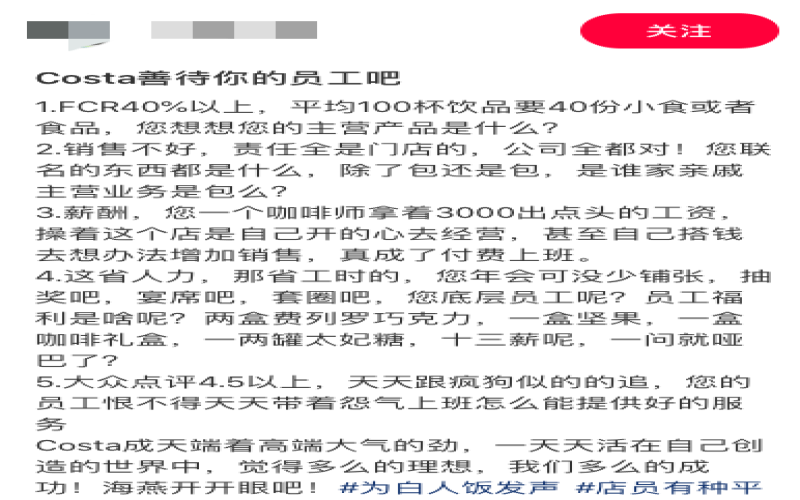
Costa Employees Pay Out of Pocket to Hit Targets? High KPI Pressure and Shrinking Benefits Spark a Wave of Resignations
Recently, a post by a Costa employee complaining about excessively high company KPIs sparked heated discussion on social media. The poster pointed out that stores require more than 40 food items to be sold for every 100 drinks, forcing some employees to dip into their own pockets to boost performance, mocking themselves as "paying to work." Meanwhile, employee benefits have shrunk year by year, with New Year gift boxes reduced to just candy and chocolate, and the 13th-month salary nowhere to be seen. Chaotic internal management, store closures, and customer attrition have left this one-time Starbucks rival increasingly marginalized in the Chinese market. Workers left comments lamenting that under such pressure, the thought of resigning grows stronger by the day. [more…]

Luckin's 9.9 Anniversary Coupons Hide a Secret: Why Site Them Next to Cotti? Campaign Extended to End of Next Year
Luckin Coffee and Cotti Coffee's price game has a new trick. After seven consecutive months of 9.9 yuan promotions, Cotti raised prices across the board on April 1, and Luckin immediately responded by launching 9.9 yuan coupons under the banner of a "store anniversary," running from April 15 to April 30. Interestingly, this anniversary celebration is not celebrating the opening of Luckin's own stores, but targeting new Cotti stores opened next to Luckin locations. When Cotti ended the low-price war, Luckin precisely targeted coupons in surrounding areas to capture traffic with low prices. Internal sources say the campaign may continue until the end of 2024. This article will sort out the timeline of events, the coupon usage rules, and the strategy behind them, while also recommending Front Street Coffee's specialty bean information for coffee lovers. [more…]
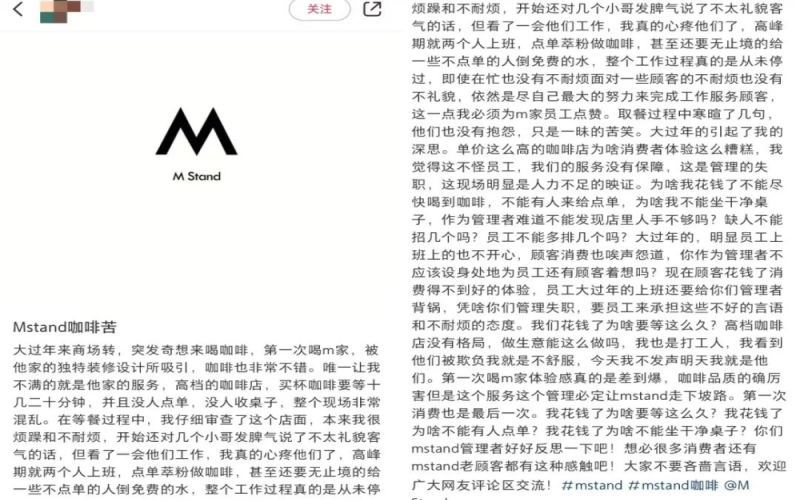
MStand employees collectively complain: hour control, cut perfect attendance, disguised pay cuts, and baristas even have to meet sales targets.
Recently, a customer post titled "MStand Coffee is bitter" sparked widespread resonance among current employees on social media, and the comment section quickly turned into a "complaints camp" for MStand baristas. Customers complained that during peak hours only two staff members were on duty, wait times were too long, and management was chaotic, while employees revealed deeper problems: over the past two to three months, management has frantically controlled labor efficiency, so even full-time baristas cannot get full shifts, and the perfect attendance bonus exists in name only; New Year benefits are missing, and adjustments to the salary structure are accused of being a disguised pay cut; even more harshly, every employee must complete "one stored-value card and four packages" each day, otherwise they have to write a report, review surveillance footage, and analyze the reasons. Frontline baristas mock themselves, saying they cannot tell whether they are making coffee or doing sales. This article will fully present this collective employee complaint triggered by a customer's voice. [more…]
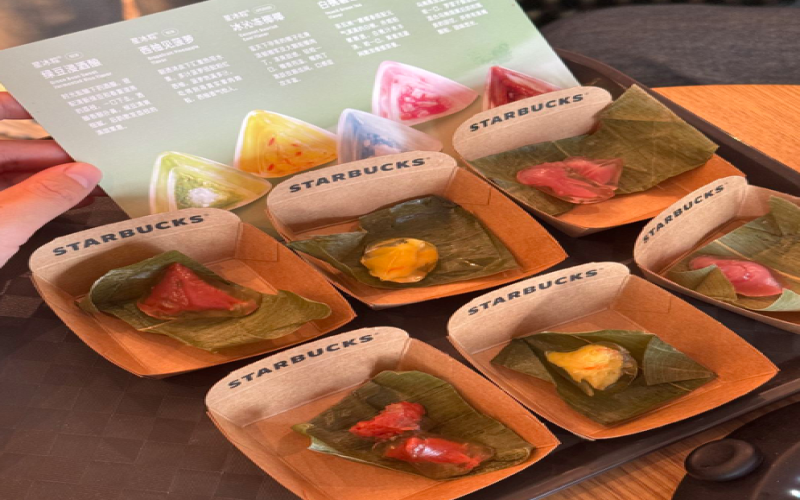
Starbucks Employees Strongly Push Star Zongzi, Causing Displeasure: Why Are Both Customers and Staff Complaining?
As the Dragon Boat Festival approaches, Starbucks' Frappuccino Dumplings have made their return to stores, bringing with them forced sales tasks for employees. Some customers report that even after clearly declining, they are still repeatedly pestered by staff recommendations, which is extremely annoying. On the other hand, Starbucks employees are also full of grievances; facing mandatory sales targets from the company, they have no choice but to use various channels to clear inventory, even paying out of their own pockets. This buying-and-selling game surrounding Frappuccino Dumplings reflects the deep contradiction between brand performance pressure and consumer experience. [more…]
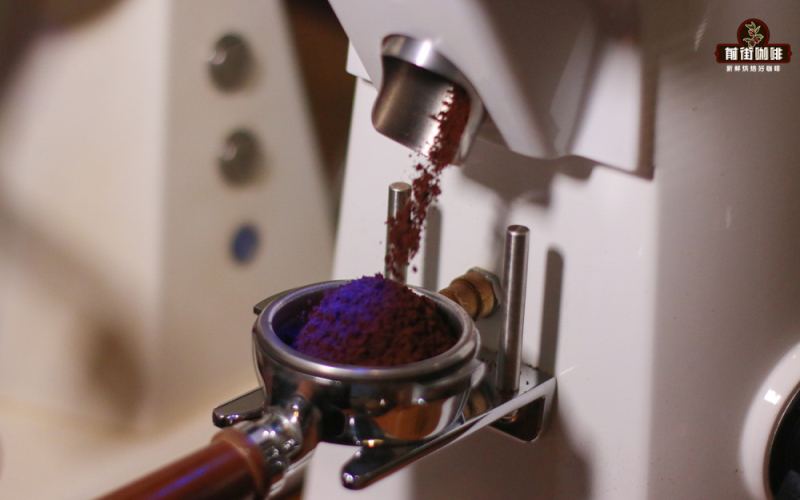
A Complete Guide to Coffee Blending: Purpose, Flavor Positioning, Pre-Roast vs. Post-Roast Blending, and Ratio & Recipe Approaches
Blending coffee beans is not simply mixing them together, but a technical craft that balances experience, inspiration, and calculation. This article systematically outlines the complete blending process: from clarifying the purpose of the blend (reducing costs, stabilizing flavor, creating tastes that a single-origin bean cannot achieve), to determining the target flavor, choosing between pre-roast or post-roast blending, and then locking in the blend ratio through pre-confirmation and final confirmation via cupping. Using the Warm Sun Blend as an example, the article explains how to use Honduras Sherry Barrel as the main base, combined with Natural Yirgacheffe Red Cherry Project, roasted separately and then combined, balancing vinous notes with fruity acidity and berry tones, while preserving Front Street Coffee's brand experience and product information. [more…]
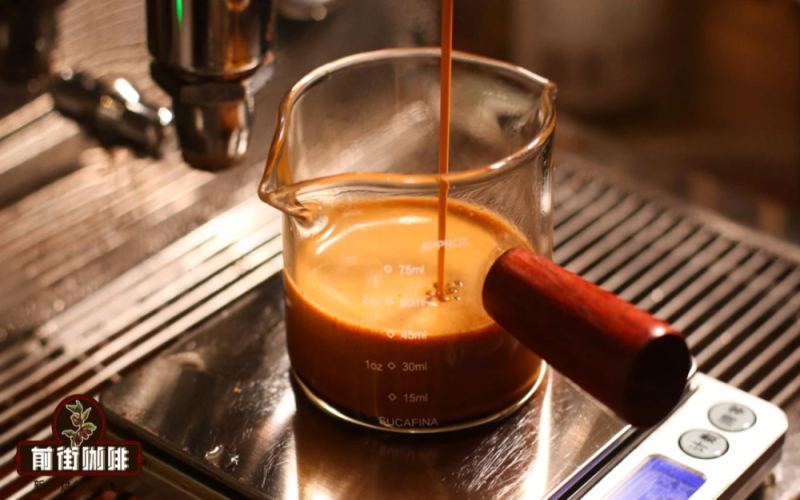
How to Set the Grind Setting for Espresso Beans? A Practical Method for Judging Grind Fineness from Extraction Time and Flavor
Espresso grind size falls between flour and table salt and cannot be judged by the naked eye, but the coarseness of the coffee grounds directly determines the flow rate, so you can work backward to whether the setting is appropriate by observing the extraction time. This article starts from the definition of espresso, sorts out the relationship between grind size and extraction time, explains how to set a target ratio of coffee to liquid, fix pressure and water temperature, and then adjust grind size to reach the target time. It also uses Front Street Coffee's Colombia Sidra coffee beans as a tuning example, showing the adjustment process from 34 seconds—slow with a bitter taste—to 30 seconds with a clear aroma. Finally, it emphasizes that after confirming the grind size, you still need to judge by tasting whether there are defective flavors, and if necessary, make minor adjustments to the dose or parameters. [more…]

A Complete Guide to the Flavor Profile, Growing Altitude, and Brewing Parameters of Kenyan AA Coffee
Kenyan coffee stands out uniquely in the global specialty coffee scene with its signature bright acidity, and for coffee lovers chasing a juicy cup experience, it is almost an unavoidable choice. However, to fully unlock the full-bodied acidity and tomato-like flavor layers of Kenyan beans, mastering a targeted brewing method is crucial. Drawing on Front Street Coffee's sourcing experience, this article systematically covers the varietal origins, grading system, and regional characteristics of Kenyan AA coffee beans, and provides complete brewing parameter recommendations from grinding and dose to staged pouring, helping you brew a cup of distinctly flavored Kenyan coffee tailored to the bean. [more…]

How Does Roast Level Shape Coffee Flavor? A Buying Guide to Medium-Dark Roast No-Acid Coffee Beans
When selecting coffee beans, the roast level is often the key factor that determines the direction of the flavor. Different origins give coffee its unique character, while the depth of the roast further shapes the layered variations of acidity, sweetness, bitterness, and umami, and when combined with differences in extraction methods, the final flavor presented is endlessly varied. Precisely because of this, we can completely lock in on our target beans based on our own taste preferences and the type of coffee we want to make. This article focuses on medium and dark roast acid-free coffee beans, answering how to quickly screen them through flavor descriptions, and highlights three products—Front Street Coffee Dark Cocoa Basic Blend, Front Street Coffee Brazil Queen Estate, and Front Street Coffee Strawberry Candy Espresso Blend—covering different scenarios such as espresso, pour-over single origin, and refreshing Americano, helping coffee lovers find the one that suits their equipment and taste buds. [more…]

Why Is the Espresso Extraction Ratio Locked at 1:2? A Guide to Adjusting the Three Key Parameters: Dose, Grind, and Time
Many people new to espresso often run into this confusion: they follow the popular online formula of 18g of grounds yielding 36ml of liquid, yet the coffee tastes sharp and stings the tongue—clearly under-extracted—and they have no idea whether to adjust water temperature, pressure, water volume, or grind. In fact, dialing in espresso isn't complicated; you just need to focus on three core parameters: dose, brew ratio, and the interplay of time and grind. Dose and ratio usually don't change much—what really needs repeated fine-tuning is the grind setting. Drawing on Front Street's practical experience, this article explains why 1:2 is considered the golden ratio for espresso, how to use the roughly 30-second extraction window to judge whether your grind is right, and how to make precise corrections through dose and yield when the flavor goes off—helping beginners quickly build a clear, workable approach to espresso extraction. [more…]

The Origin Story and Roasting Approach of Colombian Coffee Beans: From the Andes Mountains to Front Street Coffee's Cauca Cup of Excellence
Colombia is the world's second-largest coffee producer and one of the few origins whose country name is sold as a single-origin coffee. It lies at the foothills of the Andes, where three Cordillera mountain ranges run north to south, giving coffee diverse climates and year-round harvest conditions. This article reviews the historical threads of Colombian coffee, the characteristics of its main producing regions, and its quality advantages, and focuses on the Cauca Cup of Excellence lot recommended by Front Street Coffee, introducing its regional information, green bean characteristics, medium-dark roast target, and KONO dripper brewing parameters, helping coffee lovers understand the complete picture of Colombian coffee from origin to cup. [more…]

A Complete Analysis of Espresso Bean Blending: From Principles to Front Street Coffee's Four Espresso Bean Recipes and Extraction Parameters
To make a rich, well-balanced espresso at home or in a café, choosing the right blend is the first step. This article begins with the definition and purpose of coffee blending, explains the pros and cons of pre-roast blending and post-roast blending, and lays out the complete process: establishing the target flavor, determining the blend type and ratio, and pre-confirming through cupping. It also details the origin composition, roasting approach, and flavor performance of four Front Street Coffee espresso blends—Specialty Espresso, Commercial Espresso, Basic Espresso, and Sunflower Warm Sun—along with espresso extraction parameters and an iced latte recipe, and finally explains why espresso is served with a spoon. [more…]

Fewer Luckin Coupons Spark Debate as Livestreaming Becomes the New Marketing Battleground
Recently, many consumers have noticed that Luckin Coffee's discounts have significantly weakened, with prices often reaching ten to twenty yuan, leaving netizens accustomed to low-priced coffee feeling dissatisfied. As a result, a collective "PUA" trend against Luckin has emerged on social platforms, attempting to pressure the system into issuing coupons through complaints and threats to switch to Cotti. However, the effectiveness of this approach is questionable. In fact, Luckin's marketing focus has quietly shifted to livestreaming, replacing the traditional direct coupon distribution model with high-frequency live interactions and precise user outreach. This article reviews the course of events, netizen reactions, and underlying reasons, and explores why livestream marketing has become a new favorite for brands. Additionally, at the end of the article, there is relevant information about Front Street Coffee for coffee enthusiasts' reference. [more…]

Pour-Over Coffee: One-Pour vs. Three-Pour Comparison — A Comprehensive Analysis of Steps, Ratios, and Brewing Methods
One of the charms of pour-over coffee lies in using different pouring techniques to bring out the diverse flavors of the same bean. Currently, the two most widely used methods—single-pour and three-stage—each have their own followers. Single-pour involves completing the target water volume in one go after blooming; it is simple to operate but extremely demanding on water flow stability and grind size. The three-stage method divides pouring into three phases, enhancing layering and compatibility through staged extraction. Using 15 grams of coffee and a 1:15 coffee-to-water ratio as an example, this article breaks down in detail the specific steps, pouring timing, and parameter requirements of both methods, and combines the brewing performance of Front Street Coffee Huakui and Colombia Huila Washed Caturra to help you find a brewing rhythm that suits you. [more…]

New Tea Beverage Marketing Swept by Lottery Trend: From Milk Tea Scratch Cards to Gold and Cars, Involution Escalates
In the scorching summer, iced drinks are back in the consumer spotlight. To stand out in fierce competition, new tea beverage brands keep reinventing their marketing tactics—from early niche fruits and co-branded limited editions to today's popular milk tea scratch cards, blind box draws, and even giveaways of gold, lottery tickets, and cars. Suguo Fresh Fruit Tea uses its new yellow skin (wampee) product to promote "scratch for real gold," Heytea and Nayuki use puns plus tear-open cards and lottery tickets to grab attention, while Chagee uses high-end lipstick blind boxes to precisely target female customers. Behind these gimmicks is the thrill and sense of participation brought by "eliminating uncertainty." Of course, for those who just want to quietly enjoy a good coffee or milk tea, returning to the product itself may be the lasting way forward, and Front Street Coffee has always advocated focusing on flavor and quality. [more…]
A Deep Review of Café Management Through Three Real Cases: Positioning Choices, Cost Control, and Risk Avoidance
Many people harbor a dream of opening a coffee shop, but few actually manage to keep one running. Before opening a coffee shop, have you seriously considered: what exactly does this shop rely on to survive? Who are its target customers? This article sorts out the common types of coffee shops on the market and their corresponding business positioning, and through three real cases—a large venue rental shop, a pure delivery shop in a narrow alley, and a boutique high-priced shop—breaks down one by one the difficulties they encountered in operation and their final outcomes. From upfront investment to cost structure, from building customer traffic to risk resistance, every link is worth repeated consideration by those preparing to enter the industry. [more…]

Coffee Brewing Time | Why Do You Need to Time Your Pour-Over Coffee? What Factors Affect the Extraction Time When Brewing Coffee?
When brewing the vast majority of coffees, we always casually press the timer function that comes with the scale to start counting time—this is something that seasoned baristas have emphasized since the very beginning. But for some friends, this behavior is incomprehensible, because they believe that recording time has no effect on the coffee. [more…]
Sidamo vs. Yirgacheffe Coffee Beans Comparison: A Full Analysis of Flavor Characteristics, Processing Methods, and Roasting Recommendations
Sidamo and Yirgacheffe both belong to Ethiopia's renowned coffee regions, yet each possesses a distinct flavor personality. This article focuses on Front Street Coffee's sun-dried Sidamo, washed Sidamo, and washed Yirgacheffe, systematically comparing the differences between the two in taste, aroma, and roasting performance. Sidamo features an interweaving of floral notes and earthy tones, along with nutty, cocoa, and bright lemony acidity; Yirgacheffe is known for its orange fruit aroma and light, mild character, performing differently under light and medium-dark roasts. The article also provides targeted roasting times, bean drop points, and hand-grinder grinding experiences to help coffee enthusiasts make more precise choices and brewing decisions. [more…]
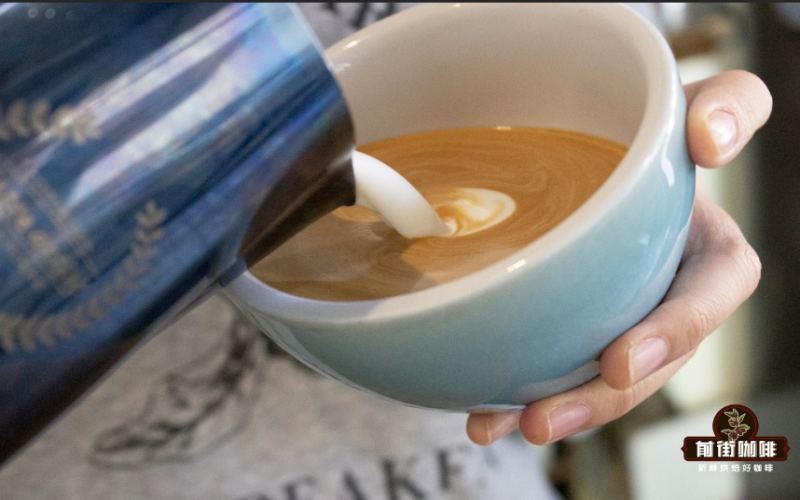
Why does latte art always lean to one side? Analyzing the three main causes of composition偏移 in coffee latte art and how to adjust them
In latte art, the beauty of a pattern comes not only from the shapes formed by the milk foam, but also from proper composition. Centered composition is the most commonly used because it highlights a sense of symmetry and balance, yet many beginners often find that their patterns drift off-center. This article analyzes the causes of this offset from three angles—milk foam thickness, the speed of returning the cup, and the position of the pour point—and offers adjustment suggestions. Meanwhile, Front Street Classic Blend and Commercial Blend, two coffee beans, are considered ideal choices for making latte art espresso due to their rich crema. Mastering these details helps improve the stability and visual presentation of latte art. [more…]

OATLY oat milk moves from the streets of Paris to painting walls in rural China, creative marketing sparks polarized debate among netizens
OATLY, an oat milk brand well known among coffee lovers, previously drew attention with graffiti advertisements on the streets of Paris, France. Recently, the brand shifted its marketing focus to rural China, launching a Spring Festival advertising short film themed "painting walls at the village entrance," spray-painting internet memes and warm copy urging people to go home onto red brick and earthen walls. This move sparked sharply divided reactions among netizens: some were deeply touched, believing it was more heartfelt than big city screens; others questioned the ad's limited reach, its weak connection to the product, and the difficulty of its pricing appealing to the target audience. This article reviews the creative highlights and points of controversy in this marketing campaign, and explores its market effects. [more…]